
01
Understand the load profile
Review daytime demand, operating hours, major equipment, and future expansion so system sizing follows the business.
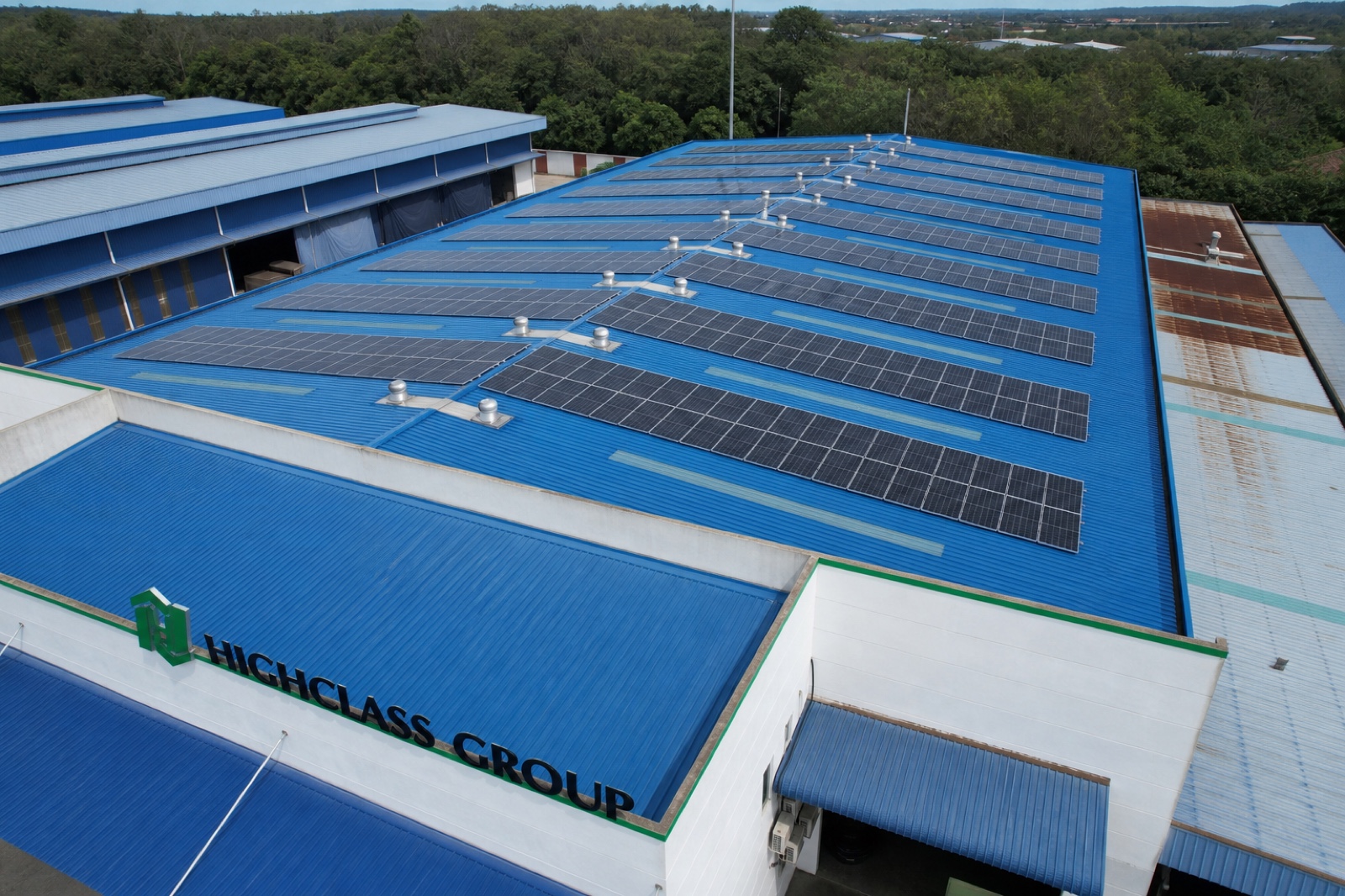
Up to 1 MWac under Solar ATAP. Own it (CapEx) or pay per kWh (PPA). Either way, the GITA & GITE tax incentives close on 31 December 2026, so the cheapest year to commit is this one.
The right structure depends on your balance sheet and how you value cash flow vs ownership.
Best if you have capital and want the strongest return.
Best if you want to protect cash flow and start saving day one.
A factory energy plan should connect generation, storage, and operating demand. We review how the site uses power before recommending the solar and BESS architecture.
Review daytime demand, operating hours, major equipment, and future expansion so system sizing follows the business.
Evaluate solar generation, battery capacity, backup priorities, and night-time demand as one coordinated energy system.
Plan monitoring, reporting, and modular expansion so the system can adapt as production and electrical demand change.
The final design, control strategy, and projected savings depend on interval load data, tariff structure, operating schedule, and site assessment.
Two national incentives that materially improve a commercial solar business case, and both application windows close at the end of 2026.
60% of your qualifying solar capital expenditure, claimable over 5 years and offsetting up to 70% of statutory income. Applies to systems for your own consumption.
Income tax exemption aimed at solar service and leasing providers. The solar-leasing track is specifically extended to 31 December 2026.
GITA / GITE administered by MGTC. Eligibility and claim mechanics depend on your tax position, so we will point you to the right advisor and provide the MyHIJAU-linked equipment documentation needed for a claim.
Commercial and industrial premises qualify for up to 1 MWac under Solar ATAP. Systems above 1 MWac are required to include battery storage (BESS) from 1 January 2026.
CapEx means you own the system and can claim the GITA capital allowance, the strongest long-term return. PPA means zero upfront cost: a provider owns the system and you buy the solar power at a fixed rate (typically RM 0.55–0.64/kWh) below the grid tariff. We model both against your load profile.
GITA gives a 60% capital allowance on qualifying green capex over 5 years (offsetting up to 70% of statutory income); GITE is an income-tax exemption for solar service/leasing providers. Both application windows close on 31 December 2026, so projects need to be committed in time to qualify.
Systems above 72 kWac require a Professional Engineer and ST Section-9 licensing, plus the appropriate chargeman. We coordinate all the competent persons and the TNB technical assessment as part of the EPCC scope.
It depends on size. Large industrial rooftops run several weeks end to end, including design, eATAP filing, install and TNB coordination. We give a firm programme with the itemised quote.
Yes. We have an industrial install fleet across Johor and active work in Selangor, and take on multi-site portfolios on request.
No obligation. We measure your roof, file eATAP, and design a system sized to your bill.